
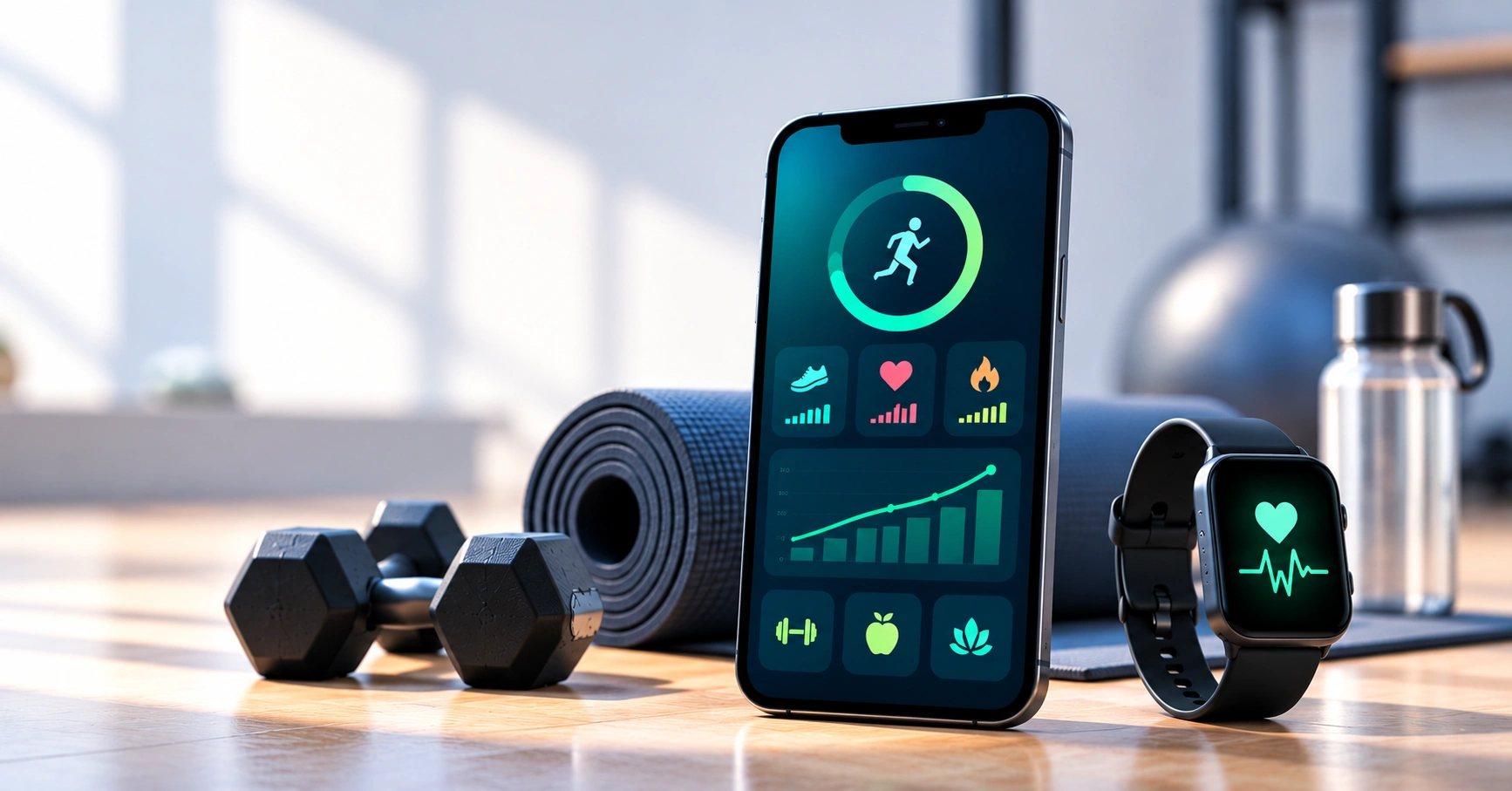
The digital fitness industry is undergoing a massive shift. Mobile fitness tools have evolved far beyond basic step counters and static logging applications. Modern digital fitness platforms act as proactive digital personal trainers, powered by predictive analytics, real-time computer vision, and continuous biometric streaming. As user expectations rise, fitness startups and enterprise brands must reevaluate their digital offerings. Building an app in 2026 requires an intelligent, connected ecosystem designed to retain users past the typical 90-day drop-off window.
Product owners, health entrepreneurs, and technology leaders face unique opportunities when building next-generation health software. Creating a scalable, market-leading application requires a sharp focus on modern engineering standards, real-time user engagement, and data security.
Key Pillars Driving Next-Generation Fitness Apps
Modern users expect software to seamlessly integrate into their daily routines with minimal manual friction. Achieving high user retention requires deploying software frameworks built on modern structural pillars.
1. Computer Vision and Real-Time Form Correction
Smartphones are now equipped with advanced neural processing units, enabling real-time computer vision right on the device. Using standard mobile cameras, fitness applications can track skeletal landmarks and measure joint angles during exercises like squats or deadlifts. Instant audio-visual cues notify users of postural deviations, minimizing injury risks and improving exercise efficacy without requiring additional hardware.
2. Predictive Recovery and Dynamic Training Loads
Workouts are no longer fixed to static, non-adaptive schedules. Machine learning algorithms continuously analyze biometric markers such as Heart Rate Variability (HRV), sleep duration, and resting heart rate sourced from connected wearables. When an application detects high physical fatigue or inadequate recovery, it automatically scales back workout intensity or suggests dedicated mobility routines. This intelligent balance helps users avoid burnout while maintaining long-term training consistency.
3. Hyper-Personalized AI Workouts and Nutrition
Generative AI and predictive analytics allow applications to construct fully dynamic workout and nutrition programs tailored to individual health goals, dietary preferences, and metabolic rates. Rather than displaying static exercise video libraries, modern apps adapt routines on the fly based on historical performance trends, available equipment, and user feedback.
4. Seamless IoT and Wearable Ecosystem Integration
High-performing applications require smooth bidirectional synchronization with modern IoT devices, smartwatches, and fitness bands. Centralizing biometric data across multiple wearables enables applications to provide holistic wellness insights while keeping manual input to a minimum.
Tech Stack Considerations for High-Performance Platforms
Delivering real-time video processing, low-latency biometric syncing, and adaptive user interfaces demands a modern, scalable technology stack.
- Cross-Platform Mobile Frameworks: Utilizing cross-platform frameworks like React Native or Flutter allows development teams to build feature-rich mobile applications for iOS and Android simultaneously from a single codebase, accelerating speed-to-market.
- Cloud-Native Microservices: Deploying backends using containerized architectures, serverless functions, and cloud orchestration tools like Kubernetes ensures platform APIs scale smoothly during peak traffic hours.
- Real-Time Data Pipelines: Establishing streamlined data pipelines guarantees that user activities and device biometrics feed backend machine learning models with sub-second latency.
- Data Privacy and Regulatory Compliance: Handling sensitive user biometric data requires strict adherence to regulations like HIPAA, CCPA, or GDPR. Implementing robust encryption protocols (TLS 1.3 in transit and AES-256 at rest) alongside role-based access control protects critical records.
Overcoming the 90-Day Retention Challenge
The majority of fitness apps struggle with long-term retention, frequently losing a high percentage of users within three months of launch. Tackling this challenge requires thoughtful engagement loops, gamification, and social connection.
- Gamification and Progress Milestones: Introducing visual streak counters, dynamic achievement badges, and tiered challenges keeps users motivated during low-energy periods.
- Social and Community Hubs: Features like real-time group challenges, balanced leaderboards, and selective activity feed sharing turn solo workouts into engaging community events.
- Proactive Contextual Notifications: Utilizing behavioral AI to send personalized, timely nudges encourages habitual app usage without overwhelming the user with generic spam.
Strategic Engineering Execution with CAT Software Services Inc
Engineering a scalable, enterprise-grade fitness application requires specialized technical expertise, direct communication, and disciplined execution. Product teams frequently struggle when trying to integrate complex machine learning capabilities onto legacy software backends.
CAT Software Services Inc operates as a strategic technology development partner for digital health innovators, ambitious startups, and enterprise brands looking to build powerful software platforms. Bringing deep expertise across custom mobile application engineering, cloud-native microservices, secure API development, and native AI integration, multidisciplinary teams integrate directly with your operational roadmap.
Whether you are launching a brand-new custom workout platform, modernizing an existing health portal, or embedding real-time computer vision into your digital product, CAT Software Services Inc delivers secure, scalable, and high-impact software tailored to your specific commercial objectives.
FAQs
Developing a custom, full-featured fitness app typically takes between 4 to 8 months. Timelines vary based on feature complexity, cross-platform requirements, wearable hardware integrations, and custom machine learning models.
Secure fitness applications enforce end-to-end data encryption (TLS 1.3 for data in transit and AES-256 for data at rest), granular role-based access controls, and strict schema validation. Applications that manage protected health information must also strictly align with standards like HIPAA or GDPR.
Generative AI complements digital coaching by instantly creating personalized workout plans, generating voice-guided coaching cues, and offering adaptive feedback. High-quality instructor video content remains invaluable for human connection, which AI enhances by tailoring exercise sequences to specific user needs.
Frameworks such as React Native and Flutter enable engineering teams to maintain a single codebase for both iOS and Android platforms. This approach significantly lowers engineering overhead, simplifies ongoing software maintenance, and guarantees feature parity across all mobile devices.
Developers connect mobile applications to smartwatches and fitness bands using platform-native health APIs (such as Apple HealthKit and Google Health Connect) alongside dedicated third-party SDKs. These integrations stream activity, heart rate, and sleep metrics directly into backend data pipelines for real-time analysis.
Powering Your Digital Health Vision
The fitness landscape continues to reward platforms that deliver intelligent, seamless, and highly personalized user experiences. Moving away from static content and adopting connected, AI-driven architectures allows digital health brands to drive higher user engagement and long-term customer retention.
Aligning your digital roadmap with experienced software engineering talent ensures your application is built to scale gracefully under heavy user traffic. Contact the technology specialists at CAT Software Services Inc today to transform your fitness software concept into a resilient, market-ready mobile platform.
